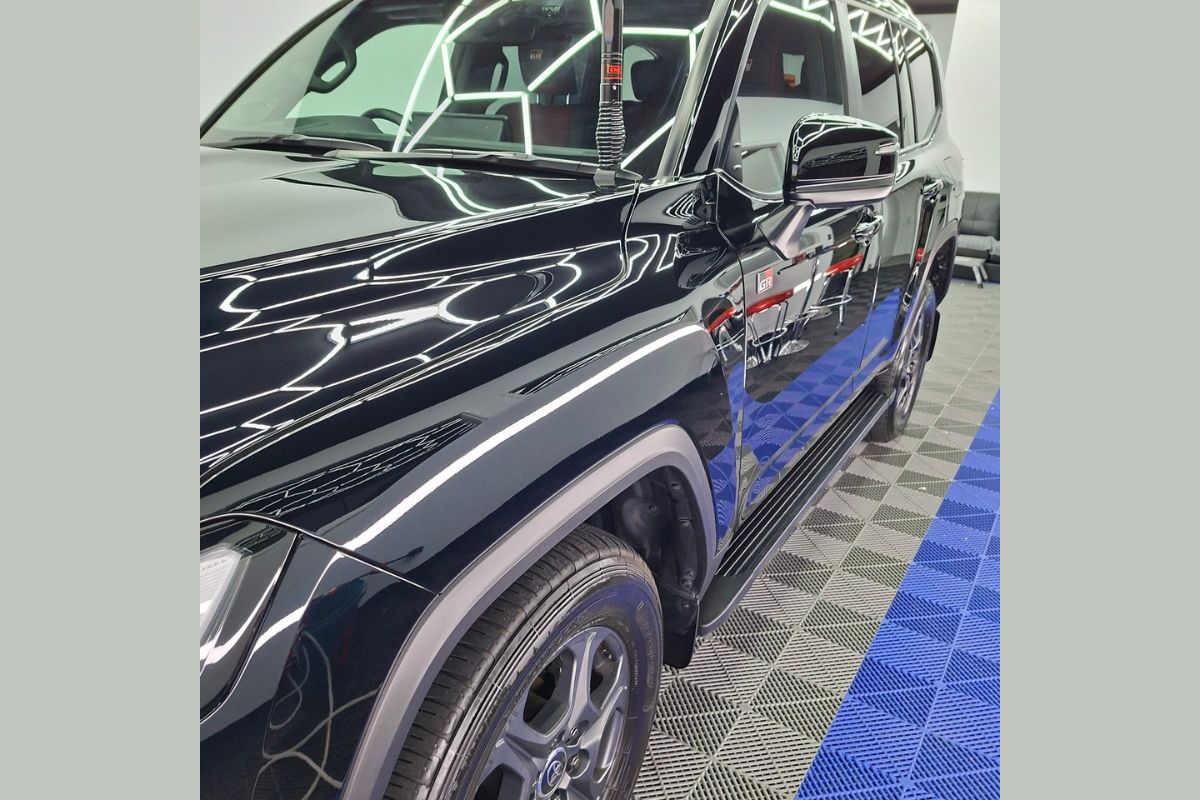
Ever wanted your own car to shine like that? In Toowoomba’s sun and dust, a ceramic car coating can keep your ride looking showroom-new. Think of it like a raincoat and sunscreen for your vehicle: it repels water, guards against UV damage, and makes cleaning easier after a dusty road trip.
Whether you’re a detailing novice or a gearhead, this guide will explain how ceramic coating works and why it might be just the upgrade your car needs.
What Is Ceramic Coating?
Ceramic coating is a liquid polymer applied to a car’s paint. It chemically bonds with the surface, forming a hard, semi-permanent layer. Instead of regular wax or sealant, a ceramic coating adds an extra-strong layer that repels dirt, dust, bird droppings, and even minor scratches.
It often feels smoother than wax and has a glassy shine – almost like your car’s paint got upgraded to supercar status. Essentially, it makes the paint surface water-repellent (hydrophobic) and tougher under heat and UV rays.
Ceramic coatings are often rated on a “hardness” scale (like 9H, where H stands for hardness). The higher the number, the tougher the coating against scratches and swirls. In practice, this means a 9H ceramic coat can stand up to more chips than a plain coat of paint, kind of like a clear second skin.
Even if you’re new to car care, you’ll notice the difference: water beads up and slides off effortlessly. As one ceramic coating specialist points out, that means you often just need a quick hose-down instead of spending hours buffing after each wash.
Benefits of Ceramic Coating
- Easy Cleaning & Water Beading: Thanks to its hydrophobic nature, water beads off a ceramic-coated surface like drops sliding off a waxed surfboard. Rain and wash water form beads and run off, taking dirt with them. This means fewer water spots and less grime build-up, which is a godsend in dusty Aussie conditions.
- Long-Lasting Gloss: Ceramic coating gives a deep, glossy shine that makes your car look freshly detailed. Instead of dulling after a week, that new-car look stays on. It’s like having a permanent car show detail. Even Toowoomba’s harsh UV and red dust can’t strip away that shine quickly.
- Scratch and Swirl Resistance: While no coating makes your car invincible, ceramic provides a barrier against light scratches and swirl marks from washes. Think of it like a tough gel topcoat on your paint. So if someone brushes past or you use a sponge, you’ll notice fewer scratches than on uncoated paint.
- UV and Chemical Protection: Australian sun is brutal. A ceramic layer blocks UV rays that otherwise fade and oxidize paint over time. It also resists contaminants (bird droppings, bug guts, sap) which can etch into paint. In simple terms, ceramic coating is like sunscreen and plastic wrap for your car’s paint.
- Cost Savings on Car Care: Since a ceramic coating stays effective for years, you’ll spend less on wax, sealants, and extra paint correction. It’s an upfront investment that pays off in the long run by reducing your cleaning time and preserving paint condition.
How Is Ceramic Coating Applied?
Putting on a ceramic coating is usually a multi-step process that needs careful prep. Here’s a simplified rundown:
- Wash & Decontaminate: The car is thoroughly cleaned with a pH-neutral shampoo and dried. Any iron filings, tar, or grime are removed (often with a clay bar).
- Paint Correction (Optional): If the paint has scratches or swirls, these are polished out first. Ceramic coating is best on a flawless finish, because it locks in whatever is underneath.
- Surface Prep: The surface is wiped with isopropyl alcohol or a similar product to remove oils from polishing. This ensures the coating bonds perfectly.
- Applying the Coating: Using an applicator pad, the ceramic coating liquid is carefully spread in small sections across the paint. It needs a moment to settle into the paint’s pores.
- Buff and Cure: After a short time, the haze is buffed off with a microfiber cloth, leaving a slick, clear layer. Finally, the car sits for 24–48 hours to let the coating harden fully.
It might sound technical, but the result is a clear, glass-like shield on your paint. Many people notice that even after the first rain or wash, the water beads so well that you save a ton of time on drying and polishing.
Ceramic Coating Costs in Australia
Ceramic coating prices vary widely based on prep, vehicle size, and the product used. Here’s a ballpark:
| Service Type | Typical Price (AUD) |
|---|---|
| DIY Ceramic Coating Kit (basic) | $100 – $200 (kit only) |
| Tools & Prep (if DIY) | $500+ (polisher, wash kit, etc.) |
| Professional (small car) | $800 – $1,200 |
| Professional (SUV/premium car) | $1,500 – $2,000+ |
DIY kits cost less upfront but you still need the right tools and prep. Professional jobs include polishing and multiple layers, so they cost more. In Australia, a full pro ceramic service often ranges from around $800 for a small sedan up to $2,000 or more for larger vehicles. It’s comparable to a major detailing service, but remember: it lasts years instead of weeks.
Things to Consider Before Coating
Ceramic coating isn’t magic – it’s a tool. You still need to wash your car carefully (no rough brushes) and park smartly (shade is great). If you neglect it, any finish can suffer. Also, timing is important: it’s best applied to a fully detailed, scratch-free paint. If your car’s paint is already chipped or faded, get that fixed first.
Finally, pricewise, the Northern Territory Government’s Consumer Affairs page reminds buyers that extras like paint protection can “add up to big dollars.” In other words, know what’s included in the service and why. For most enthusiasts, the benefits do justify the cost — but it pays to be informed.
Lifespan and Maintenance
With proper care, a quality ceramic coating lasts several years. Most professional coatings stay effective about 2–5 years, and high-end ones (or multiple layers) might stretch beyond that. Premium formulas sometimes advertise lifetimes up to a decade, but real-world factors matter more: extreme sun, dust, or salt can wear it down faster, while a gentle wash routine can keep it fresh longer.
Maintenance is simple: wash with a mild car shampoo, avoid abrasive brushes, and you can apply a spray detailer or booster coating every few months to renew that slickness. Think of it like caring for a wax coat – regular gentle washes and occasional top-ups will keep the ceramic armor looking new.
Conclusion
Ceramic coating is like giving your car a permanent glossy shield. For Toowoomba drivers coping with relentless sun and red dust, it’s an upgrade that truly shines. Yes, the upfront cost is higher than a wax, but it means years of less polishing, a stronger defence, and a consistently stunning finish.
If you love your car and want it to stay looking sharp, ceramic coating can be worth it. For me, it was a game-changer: my car stays cleaner and shinier with much less effort. You might find it’s the same for your car.
Frequently Asked Questions
What exactly is ceramic coating?
It’s a liquid polymer that bonds to a car’s paint, forming a hard protective layer. It repels water, dirt, and UV rays much longer than waxes or sealants.
How much does ceramic coating cost in Australia?
Professional jobs typically range from around $800 to $2,000 AUD depending on vehicle size and prep. DIY kits start around $100 (not counting tools).
How long does a ceramic coating last?
With normal care, expect 2–5 years from a single professional application. Premium coatings or extra layers might go longer. The lifespan depends on the environment and maintenance.
Is ceramic coating worth it?
For many, yes. It reduces cleaning time and protects paint in a harsh climate. If you drive a well-maintained vehicle and want a lasting shine, it can be worth the investment.
Can I apply ceramic coating myself?
You can, if you’re careful and have the right tools. DIY kits are available, but you still need to properly prep the paint (wash and polish) first. Many enthusiasts DIY, but a pro guarantees the best finish.
Will car washes harm my ceramic coating?
Automatic car washes (especially with brushes) can wear down any coating over time. Stick to touchless washes or gentle hand washing. Always use a soft mitt or cloth and mild shampoo to preserve the coating’s life.

