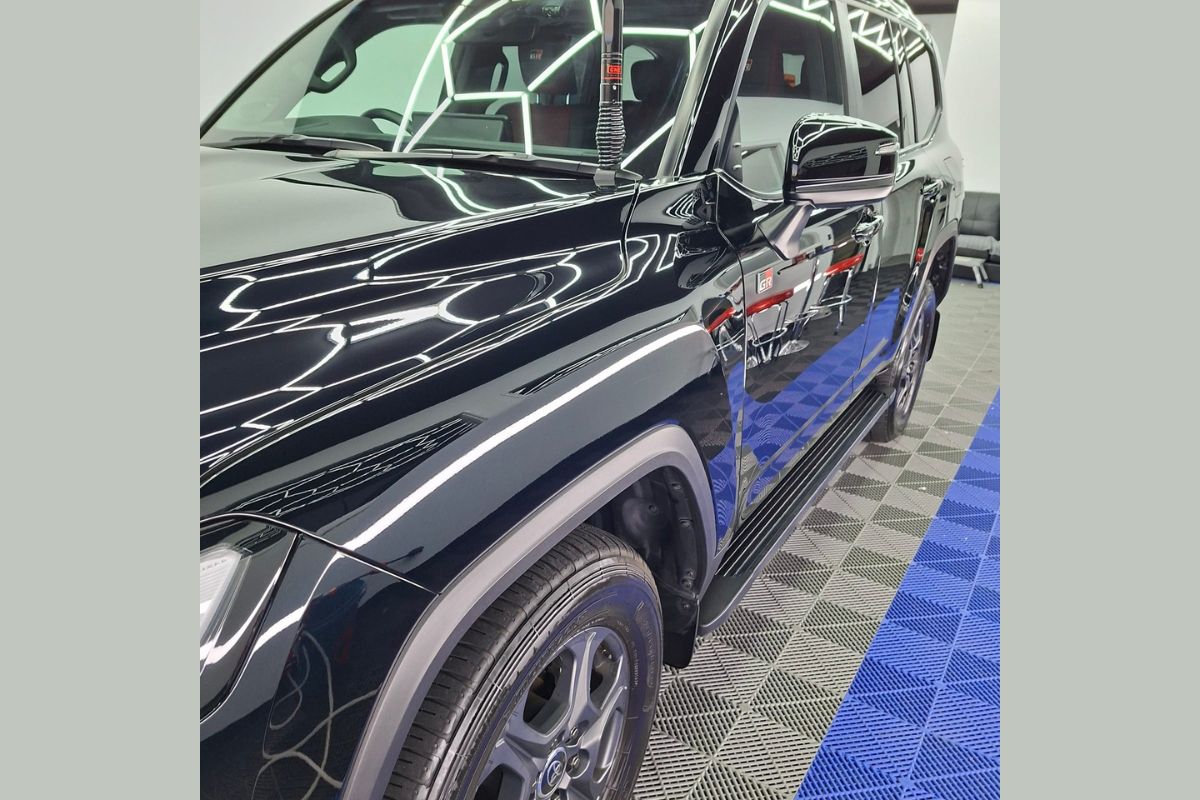
Ceramic Coating can last from about one year to several years, depending on the product, paint preparation, application quality, washing habits and where your car is parked. In Toowoomba, strong UV, dust, rain and outdoor parking can affect how long the protection performs at its best.
For many drivers, Ceramic Coating is chosen because it adds a durable layer over the vehicle’s clear coat. It will not make paint damage impossible, but it can make cleaning easier and reduce direct contact between contaminants and the paint.
What Is Ceramic Coating?
Ceramic Coating is a liquid protective product applied over properly prepared automotive paint. Once cured, it bonds with the surface and creates a slick, hydrophobic layer that helps water, road grime and other contaminants release more easily during washing.
Unlike traditional wax, this type of protection is designed to last much longer. Its lifespan varies because products differ in chemistry, preparation requirements and maintenance needs.
How Long Does Ceramic Coating Usually Last?
A professionally applied Ceramic Coating commonly lasts from one to five years, while some products are designed for longer service lives when maintained correctly. Treat any advertised lifespan as a guide rather than a guarantee.
Real-world durability depends on how the car is used. A garaged vehicle washed correctly will generally place less stress on the coating than a daily driver that sits outside, travels on dusty roads or is regularly exposed to bird droppings and tree sap.
For Toowoomba motorists, local conditions matter. The Bureau of Meteorology provides weather and UV information for Toowoomba, while Queensland Health notes that UV levels can reach damaging levels across Queensland throughout the year. Strong sunlight does not automatically destroy Ceramic Coating, but long-term exposure adds to the environmental load on a vehicle’s exterior.
What Affects Ceramic Coating Lifespan?
Several factors can shorten or extend its working life:
- Paint preparation: Decontamination and paint correction help the product bond properly.
- Application quality: Poor curing or contamination during installation can reduce durability.
- Washing method: Harsh chemicals and brush washes can wear the surface faster.
- Parking conditions: Outdoor parking increases exposure to UV, rain, dust and contaminants.
- Driving environment: Highway use, construction dust and dirt roads add extra stress.
- Maintenance: Regular safe washing helps prevent contamination from building up.
That is why two cars treated with the same product can perform differently after the same amount of time.
Signs the Coating Is Wearing Down
The easiest sign to notice is a change in water behaviour. A fresh coating usually causes water to bead or sheet away quickly, while an ageing surface may begin to hold water more evenly.
You may also notice that the car becomes harder to wash, dirt sticks more easily or the paint loses some of its slick feel. These signs do not always mean the protection has failed. Mineral deposits and road film can temporarily reduce hydrophobic behaviour.
Before assuming it needs replacing, a proper decontamination wash can help determine whether the surface is simply clogged.
How to Make Ceramic Coating Last Longer
You can extend its useful life with consistent care:
- Wash the vehicle regularly with a suitable pH-neutral car shampoo.
- Use clean microfibre wash mitts and drying towels.
- Remove bird droppings, bug residue and tree sap as soon as practical.
- Avoid abrasive automatic car washes with rotating brushes.
- Keep the vehicle under cover when possible.
- Follow the maintenance guidance for the specific product used.
The Bureau of Meteorology also publishes UV information for Australian locations, which can help you understand how much outdoor exposure your vehicle receives.
Does Ceramic Coating Stop Scratches?
The coating can add a harder, slicker sacrificial layer over the clear coat, but it does not make a vehicle scratch-proof. Dirty sponges, automatic brushes or rubbing dry dust across the paint can still create marks.
It is better viewed as protection against contamination and as a way to make maintenance easier, not as armour. Good washing technique still matters.
When to Call a Professional
Consider professional help if water behaviour does not return after a proper decontamination wash, if the paint feels rough, or if you are seeing bonded contamination that normal washing will not remove.
Wicksy’s Wash and Wax can inspect the paint condition, check whether the existing protection is still performing and recommend the next step based on the vehicle. For Toowoomba drivers wanting to maintain or renew the coating, a professional assessment can help avoid unnecessary polishing or reapplication.
Conclusion
Ceramic Coating can last for years, but its lifespan depends on preparation, product quality, washing habits, storage and exposure. In Toowoomba, UV, dust and outdoor parking can place extra demand on your vehicle’s finish, so regular care matters.
If the surface is becoming harder to clean or no longer behaves as it once did, start with a proper wash and decontamination. If performance still does not return, contact Wicksy’s Wash and Wax for an assessment and advice on the next step.
FAQs
How often should a car with Ceramic Coating be washed?
For a regularly driven vehicle, washing every one to two weeks is a practical starting point. Adjust the schedule if the car is exposed to heavy dust, bird droppings, insects or frequent rain.
Can I use a pressure washer on a coated car?
Yes, when used correctly. Keep a sensible distance from the paint, avoid damaged areas and follow the equipment manufacturer’s instructions.
Does Ceramic Coating need to be reapplied every year?
Not always. Some products are designed to last longer than one year, so reapplication should depend on the product, condition and maintenance history rather than the calendar alone.
Can Ceramic Coating be applied to an older car?
Yes. Older paint can often be coated after proper cleaning, decontamination and, where needed, paint correction. The clear coat should be assessed before application.

