Keeping your car’s underside clean isn’t just about looks, it’s a crucial step in protecting your vehicle from rust, damage and expensive repairs. In Toowoomba’s humid climate and on its dusty roads, the underbody of your car can quickly become a breeding ground for corrosion.
When rainwater, mud and road grime cling to the chassis and never get washed off, they act like a sponge holding moisture against metal parts. Over time, this trapped moisture reacts with oxygen and creates rust that can weaken key components like the frame, suspension and brake lines.
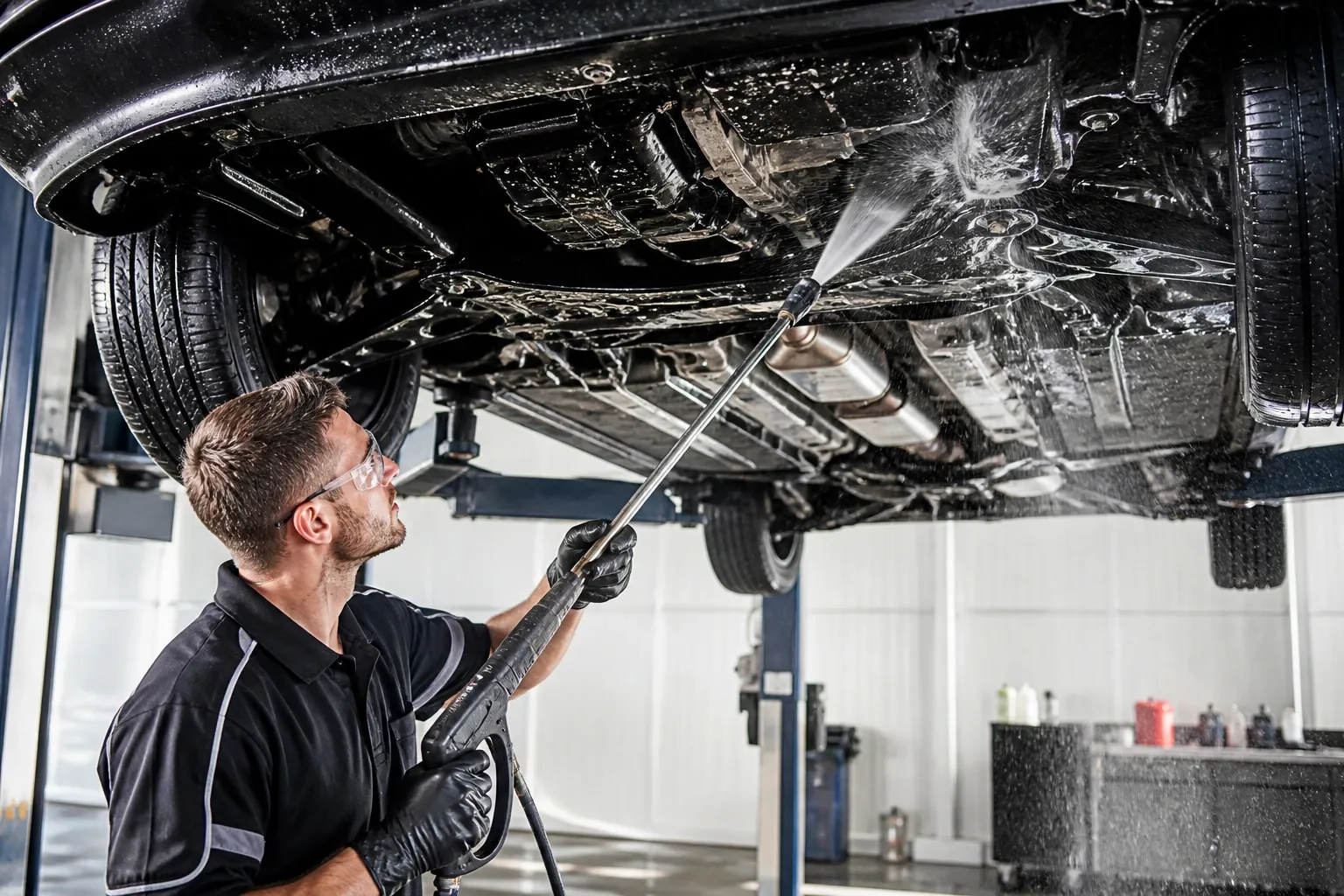
Think of rust as the enemy of your car’s lifespan. By scheduling regular car under chassis cleaning, you remove corrosive contaminants and break the cycle before it starts. An undercarriage wash sprays high-pressure jets of water to blast away hidden grit under your car.
This routine cleaning forms a protective shield for metal parts, stopping rust before it spreads. As one detailing expert puts it, “early rust is just surface fuzz and can be stopped before it’s an expensive, dangerous problem”. In other words, a quick wash today can save you thousands in repairs down the track.
Car Under Chassis Cleaning: Why It Matters in Toowoomba
Toowoomba drivers face some unique challenges for vehicle care. The city’s warm, subtropical climate means wet summers and frequent storms. According to the Bureau of Meteorology, Toowoomba’s average annual rainfall is about 737 mm, with summer downpours that leave roads wet and muddy.
When rain combines with dust and mineral debris, it erodes paint and factory sealants on your car under chassis cleaning. Those little chips and scratches from gravel or road debris can quickly become rust “seeds” once they stay damp.
Moreover, much of Toowoomba is surrounded by unsealed country roads. Driving on gravel or farm tracks kicks up stones and dirt onto the chassis and wheel wells. “Hidden spots where mud and water gather are the most susceptible areas,” explains one local auto care blog. In these moisture-retaining nooks, rust can quietly eat away at the metal.
Regular car under chassis cleaning ensures those sneaky wet pockets don’t stay dirty long enough to corrode. Every time you wash your car’s undercarriage, you flush out the dirt and brake dust that would otherwise trap moisture against the steel.
How Rust Forms Under Your Car
Rust isn’t magic – it’s just chemistry. Any time iron (or steel in your car) meets oxygen and water, rust (iron oxide) will form. On the road, that water can come from rain, puddles, dew or even humidity.
- Moisture and Dirt: After a storm or even morning dew, water clings to the underbody. Road grime and mud stick to that wet metal, creating little moisture “pockets”. These dirty spots are rust’s best friends.
- Gravel and Scratches: Rocks and sand thrown up by other cars can nick away paint or factory coatings. Once the bare metal is exposed, it oxidises rapidly when wet. Even tiny chips start to bubble paint and spread rust under the surface.
- Corrosive Substances: In Queensland, we don’t use road salt for ice, but some rural roads do use chloride-rich water or dust suppressants. Brake fluid leaks and concrete dust can also deposit salts on your undercarriage. These chemicals eat at steel if left for too long.
Ignoring these factors is a recipe for trouble. In fact, automotive safety guidelines warn that rust “weakens metal and can compromise structural integrity”. Rust in mounting points or suspension can even affect crash safety.
The good news? Underbody cleaning is a preventative measure. By washing away the moisture-trapping dirt and treating any little nicks immediately, you stop rust in its tracks. Remember: even modern cars come with only basic corrosion protection.
Benefits of Regular Underbody Cleaning
Investing in a car with chassis cleaning pays off in many ways. When you remove the muck under your car, you’re not just fighting rust – you’re boosting safety, performance and resale value. Consider the perks:
- Rust and Corrosion Prevention: By flushing out salt, mud and debris, you stop corrosion before it starts. Clean metal stays intact; neglected metal pitted with rust will eventually fail.
- Longer Vehicle Life: Regular washes keep suspension parts, brake lines and the chassis itself stronger for longer. This means fewer breakdowns and a smoother ride over the years.
- Better Performance: A cleaner underbody means less weight and drag from built-up grime. Not only can this slightly improve fuel efficiency, but it also keeps parts moving freely. Imagine your suspension joints, mounts and exhaust coated in muck – that dirt can cause wear and reduce performance.
- Safety and Early Detection: Cleaning under the car lets you spot issues early. When you wash away gunk, you might uncover an oil leak, a worn part or minor damage that needs fixing. Catching problems sooner avoids costly repairs later.
- Lower Long-term Costs: Preventive cleaning is a small investment compared to replacing rusted panels or components. One car wash company notes that underbody cleaning leads to “reduced rust-related repairs” and “better resale value”. It’s just good economics – a little maintenance keeps big expenses at bay.
In short, regular underbody washes are preventive maintenance. As one expert advises, don’t wait for rust to be obvious – make cleanliness part of your routine. After all, a shiny car on top means little if the chassis below is rotting away.
DIY vs. Professional Underbody Cleaning
You might wonder: Can I just hose out my car myself? Or is a pro wash worth it? The truth is, both have advantages. For basic maintenance, you can indeed do a lot of prep work at home. Be sure to wear protective gear and never crawl under a raised car while it’s soapy.
However, professional car wash facilities have specialised equipment that can make the job more thorough. Many commercial washes use underbody wash systems with full-width high-pressure jets that reach every angle.
Ultimately, you decide what fits your needs. A good compromise is a hybrid approach: every few months, park on a drain or dry pavement and spray the underside yourself, then get a professional underbody wash and sealant annually.
How Often Should You Clean the Underside?
How often to wash under your car depends on driving conditions. A general rule is to tie undercarriage cleaning to seasons or tasks:
- After Heavy Rain or Storms: Once the road is dry, wash your car. Storm runoff can splash long-term moisture under the chassis.
- After Muddy or Unsealed Roads: Anytime you’ve been off-road or on gravel, it’s wise to rinse under your car as soon as possible. Those journeys can plaster clay and stones on hidden surfaces.
- If You Live Near the Coast: Even Toowoomba residents sometimes take beach trips or live where marine air drifts. Salt-laden air settles on cars and speeds corrosion. A monthly rinse or an underbody wash every 2–3 months helps neutralise it.
- Regular Maintenance Intervals: Make underbody cleaning part of your routine service schedule. For example, include it at every 6-monthly service or 10,000 km check-up. If you regularly wash your car, adding an undercarriage pass once every few weeks is a smart preventive habit.
Keep in mind: consistency is key. Even if your car “looks clean,” unseen dirt can still accumulate. Think of underbody cleaning like oil changes – an ounce of prevention is worth a pound of cure.
What to Expect from a Professional Underbody Cleaning
When you take your car for a professional undercarriage clean (e.g. at a local detailer or car wash), here’s what typically happens:
- Preparation: The attendant will often spray your wheels and lower bumpers first. They may mask any sensitive components. You don’t need to do anything except park correctly.
- High-Pressure Underbody Wash: Your car drives slowly over a mechanism of high-pressure jets. These jets blast water up at the chassis, wheel wells, exhaust, suspension and other hard-to-reach spots.
- Optional Treatments: Many places offer a post-rinse wax or rust inhibitor application. This can be a rubberised undercoating or a clear lacquer. It fills microscopic scratches and adds a water-resistant layer. Ask if they use Australian-standard products for the best results.
- Drying and Inspection: After rinsing, some services will blow out the underbody to dry it quickly. The technician might also do a quick check for any visible rust or damage and point it out to you.
By choosing a reputable local provider in Toowoomba, you get modern equipment and know-how. Some shops even specialise in 4WDs and use heavy-duty methods.
Tips to Keep Your Chassis Cleaner, Longer
Even between washes, there are things you can do to minimise underbody issues:
- Shake Off Mud Quickly: If you go off-road or hit a muddy patch, use a garden hose when you get home to knock off caked dirt. Even dry dust can trap humidity. Don’t let leaf litter or grass stay lodged in wheel arches (it holds moisture).
- Watch for Chips and Paint Damage: After gravel roads, inspect the front of the chassis (and splash guards) for new nicks. Treat small scrapes with touch-up paint or rust converter before they bloom.
- Use Rust Inhibitors: Products like lanolin-based sprays (often called Owatrol) can be applied at home to the undercarriage. They protect bare metal until your next wash. These oils are eco-friendly and bond to metal surfaces to repel moisture.
- Keep It Dry When Parked: If possible, park on concrete or asphalt – avoid leaving your car on grass or dirt long-term. A damp, unventilated spot is an open invitation to rust. A simple car cover or even moving your car monthly in winter can help air flow under it.
- Schedule Regular Inspections: Every year, ask your mechanic to spray through frame cavities with water and check for early corrosion. Catching “surface rust” in its infancy means a quick treatment rather than a panel rebuild later.
These habits are like flossing for your car: a little effort prevents big problems. Keeping on top of underbody cleanliness extends the life of everything from your exhaust hanger to the structural sill.
Conclusion
Car under chassis cleaning is one of those out-of-sight, out-of-mind tasks that pays huge dividends for your Toowoomba vehicle. By regularly cleaning the underside, you’re actively protecting against rust and corrosion, extending your car’s lifespan, and even improving safety.
So take care of the bits beneath the bonnet: don’t wait until you see rust spots or feel a suspension failure. Add an undercarriage wash to your next service appointment or car wash package.
A little preventative care now means fewer headaches (and repair bills) later. Your car’s hidden parts will thank you, and so will your wallet. Give your vehicle the full protection it deserves – book a car under chassis cleaning today and drive away with peace of mind!
Contact us to schedule your next Car Under Chassis Cleaning at a reputable Toowoomba detailer, and protect your investment before the rains come.
FAQs :
Q: How often should I get my car under chassis cleaning in Toowoomba?
A: It depends on use and weather. A good rule is to rinse the chassis at least every few months, and immediately after any heavy rain, muddy off-road trip or storm. If you drive mostly on dry, paved roads, twice a year (e.g. before and after winter) is often sufficient.
Q: Can I wash my own car under chassis cleaning at home?
A: Yes, you can do a basic undercarriage wash yourself. Use a pressure washer from all angles while crouching or rolling under the car (safely on a level surface). Be sure the engine is cool and avoid spraying electronics. However, a professional wash has specialised jets and safe setups.
Q: Does a regular wash include my car under chassis cleaning under the car?
A: Most standard car washes (even foam washes) only clean the exterior panels. Underbody cleaning is usually an extra service. Always check when booking your wash – look for options like “underbody rinse” or “chassis clean” on the menu.
Q: Is washing car under chassis cleaning for my vehicle? Could it harm parts?
A: Yes, underbody washing is safe when done properly. Cars are designed to get wet underneath, and many components are corrosion-resistant by default. The key is controlled pressure: professional systems use just enough force to remove grime without bending parts.

