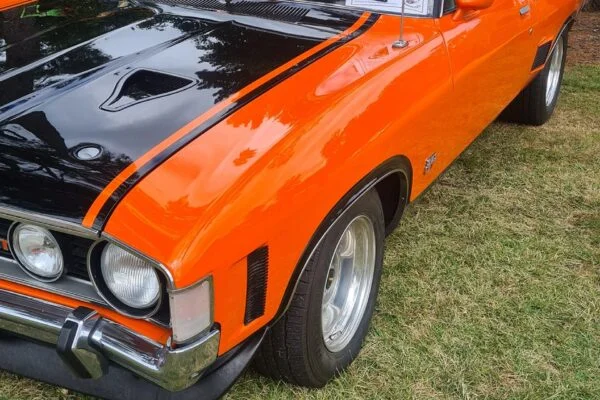
I still remember the first time someone pointed out swirl marks on my old Commodore under the carport lights. I’d washed that car a hundred times and never noticed the spider-web scratches hiding in the paint. That’s the moment I realised washing isn’t the same as caring for your paintwork. And honestly? Most Toowoomba drivers are in the same boat.
If you’ve ever squinted at your bonnet in direct sun and spotted a maze of fine scratches, you’re not imagining it. That’s the cumulative damage of dust, sun, sap, and the odd lazy car wash. The good news is you can reverse most of it.
Paint correction in East Toowoomba is becoming the go-to fix for locals who want their cars looking sharp and holding their value longer.
In this guide, you will see what paint correction actually involves, why it matters more in our region than you’d think, and how it stacks up against quick fixes like wax or a basic polish. I’ll also throw in a sneaky pro tip: if you want it done the first time properly, going with professional paint correction saves you money down the track, rather than DIY-ing it with a $40 buffer from the hardware shop.
What Exactly Is Paint Correction?
Let’s clear up the confusion first, because “paint correction” gets thrown around loosely.
Paint correction is the process of removing imperfections from your clear coat – think swirl marks, oxidation, water spots, light scratches, and that hazy, dull look ageing paint develops. It’s not wax.
It’s not a quick polish you slap on before a sale. It’s a multi-stage machine-based process that levels the clear coat using progressively finer abrasives until the surface is genuinely smooth and reflective again.
A typical correction job usually includes:
- Decontamination wash – removing grime, tar, and bonded contaminants before any machine work starts
- Paint inspection – checking clear coat thickness and damage severity (this step matters a lot, and I’ll explain why below)
- Compounding – cutting back heavier defects with a rotary or dual-action polisher
- Refining/polishing – restoring gloss and clarity with finer pads and compounds
- Protection – sealing the freshly corrected paint with a wax, sealant, or ceramic coating
Why Toowoomba’s Climate Is Tougher on Paint Than You’d Think
You might assume paint damage is mostly a coastal, salty-air problem. Not in Toowoomba.
Our city sits at altitude on the Great Dividing Range, which means we cop intense UV exposure, sudden hailstorms, and big day-to-night temperature swings.
Add in red dust from surrounding farmland and the pollen load from our famous Carnival of Flowers season, and your paint is under constant low-grade attack.
I like to compare it to skin care, weirdly enough. UV rays, grit, and temperature stress age paint the same way they age skin – slowly, then all at once. By the time you notice the dullness, the damage has usually been building for months.
If you’re researching how vehicle wear affects resale outcomes more broadly, it’s worth a look at the Queensland Government’s guide to buying and selling a vehicle, which touches on how condition and presentation influence buyer confidence at sale time.
Does Paint Correction Actually Protect Resale Value?
Short answer: yes, and the numbers back it up.
Here’s the thing about resale – buyers (private or dealer) make snap judgments. A car with hazy, swirl-covered paint looks older and more neglected than its actual mechanical condition suggests. Meanwhile, a vehicle with deep, glassy paint reads as “well cared for,” even if it’s done the same kilometres.
| Factor | Uncorrected Paint | Professionally Corrected Paint |
| First impression | Dull, hazy, “tired” | Sharp, glossy, well-maintained |
| Perceived age | Looks older than it is | Looks newer than it is |
| Resale negotiation | Buyer leverage to lower the price | Stronger negotiating position for the seller |
| Protection layer | None, paint exposed | Sealed with wax/ceramic, slows future damage |
| Long-term cost | More frequent repaints/detailing | Fewer corrections needed over time |
I’ve spoken with detailers across the Darling Downs who reckon a well-corrected vehicle can fetch noticeably more at sale, simply because it doesn’t trigger that subconscious “this hasn’t been looked after” reaction in a buyer’s mind.
Paint Correction vs. a Standard Polish: What’s the Real Difference?
This is probably the question I get asked the most, so let’s settle it.
A standard polish is mostly cosmetic. It fills in light scratches temporarily and adds shine, but it doesn’t remove the damage – it just hides it for a wash or two.
Paint correction, on the other hand, physically levels the clear coat to eliminate the defect. It’s the difference between covering a pothole with gravel and actually repaving the road.
Quick breakdown:
- Polish = temporary gloss, minimal correction, cheaper, short-lived results
- Paint correction = permanent removal of surface defects, a longer-lasting, more involved process
- Ceramic coating (add-on) = protective layer applied after correction, not a fix on its own
If your paint has genuine swirls, scratches, or oxidation, polish alone won’t cut it – pun fully intended.
How Often Should You Get Paint Correction Done?
This depends on how your car lives day to day, but here’s a rough guide I give people:
- Daily commuters parked outdoors – every 12–18 months
- Garaged weekend cars – every 2–3 years, sometimes longer
- Tradie or farm vehicles – more frequently, given dust and debris exposure
- Pre-sale prep – always worth doing shortly before listing
One thing I’ll say honestly: more frequent isn’t always better. A clear coat is finite. Every correction removes a tiny layer, so going overboard “just because” can thin the paint faster than necessary. A skilled detailer will tell you when correction is genuinely needed versus when a maintenance wash and seal will do.
What to Look for in a Paint Correction Service
Not all paint correction is created equal, and I say that as someone who’s seen botched jobs leave swirl marks worse than before. Keep an eye out for:
- Paint depth gauge use – a sign they’re measuring clear coat thickness rather than guessing
- Multi-stage process – compounding and refining, not just one quick buff
- Before-and-after photos – under proper lighting, not just sunny glamour shots
- Transparent pricing – based on paint condition, not a flat “one size fits all” rate
If a quote sounds suspiciously cheap for a full correction, it usually means corners are being cut somewhere – often the inspection and refining stages.
Conclusion
At the end of the day, your car is one of the biggest purchases most of us make outside a house. Treating the paintwork as disposable doesn’t make financial sense, especially in a climate as harsh on clear coats as ours.
Paint Correction in East Toowoomba isn’t a vanity service – it’s a maintenance step that protects the asset sitting in your driveway.
So next time you catch your reflection in your bonnet, and it looks more “foggy mirror” than “showroom shine,” take that as your sign. A proper correction now could mean a noticeably better resale figure later, not to mention a car you actually enjoy looking at every morning.
Ready to bring the shine back? Get in touch with a local detailing specialist and ask for an honest assessment of your paint’s condition before committing to anything.
FAQs:
1. How long does paint correction take?
Most full correction jobs take anywhere from half a day to a full day, depending on paint condition and vehicle size. Heavily swirled or oxidised paint takes longer to refine properly.
2. Will paint correction remove deep scratches?
It significantly improves deep scratches but can’t always remove them completely without risking clear coat thickness. Very deep scratches sometimes need touch-up paint alongside correction.
3. Is paint correction safe for all car colours?
Yes, though darker colours (black, navy, deep red) show swirl marks more obviously, so correction tends to make a bigger visible difference on these shades.
4. Should I get a ceramic coating after paint correction?
It’s highly recommended. Correction removes the damage, but a ceramic coating or sealant protects the freshly corrected surface and extends the time before you need correction again.

