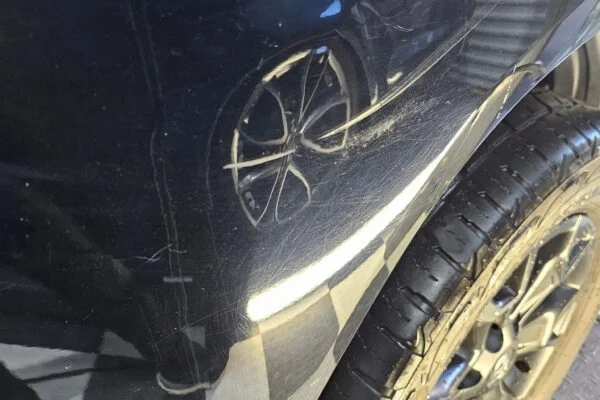
I still remember the moment I spotted it – a nasty little scratch on my rear bumper, courtesy of a shopping trolley with a mind of its own. My gut reaction? Panic, followed by a mental image of a $2,000 respray bill. Turns out, I was overreacting. A tidy little car paint touch-up sorted it out in an afternoon, and my wallet barely noticed.
If you’re staring at a chip, scuff, or scratch on your pride and joy right now, you’re probably asking yourself the same question I did: do I really need a full respray, or will a professional Car Paint Touch-Up do the trick? Let’s chat about it, Toowoomba style – no jargon, no upsell, just the straight goods.
First Things First: What Counts as “Small” Paint Damage?
Not every mark on your car is created equal. Before you book anything, it helps to know what you’re actually dealing with. Here’s a quick breakdown:
| Type of Damage | Usually Fixable With a touch-up? | Why |
| Stone chips | Yes | Small, shallow, doesn’t reach the metal |
| Fine scratches (nail-depth) | Yes | Sits in the clear coat only |
| Car park door dings (no dent) | Sometimes | Depends if paint cracked |
| Deep scratches through primer | No | Needs proper prep and blending |
| Rust bubbling under paint | No | Needs treatment first, not just paint |
| Panel dents with paint damage | No | Needs bodywork before any paint goes near it |
Basically, if you can run your fingernail over the mark and it doesn’t catch on a ridge, and the damage hasn’t gone down to bare metal, you’re in touch-up territory. Congratulations – you’ve dodged a bullet.
Why a Touch-Up Beats a Full Respray for Minor Marks
Here’s the thing nobody tells you at the panel shop: a full respray is like using a sledgehammer to crack a walnut. Sure, it works, but it’s overkill for a stone chip the size of a five-cent piece.
A professional touch-up gets you a few solid wins:
- It’s kinder to your budget. You’re paying for a small, targeted job, not a whole panel or vehicle repaint.
- It’s quick. Most minor jobs are done well within a day, sometimes a few hours.
- It protects what’s underneath. Bare metal exposed to Toowoomba’s swinging weather – frosty mornings, then a scorcher by lunch – rusts fast. A touch-up seals that gap before moisture gets a foothold.
- It keeps your resale value intact. Buyers (and dealers) notice unaddressed paint damage. A tidy touch-up job means one less bargaining chip for them to use against you.
If you’re leaning toward getting it sorted locally, going with someone experienced means proper colour-matching and blending, rather than you eyeballing a $12 tin from the hardware shop.
When a Touch-Up Isn’t Enough
I’ll be straight with you – not every scratch has a happy, cheap ending. Sometimes the damage is more than surface-serious, and pretending otherwise just wastes your time and money.
You’re probably looking at a bigger job if:
- The damage has pushed through to bare metal and started rusting.
- There’s a dent alongside the paint damage.
- The scratch runs across multiple panels or a body line.
- Previous paintwork nearby doesn’t match (a common issue on older Queensland cars that have had panel work before).
It’s also worth knowing that unresolved paint damage isn’t purely cosmetic – it can affect how your car holds up at inspection time. If you’re ever getting your vehicle checked for a safety certificate, panels with rust or structural corrosion can actually become a compliance issue rather than just an eyesore, as outlined by the Queensland Government’s safety certificate guidelines. So catching small chips early with a touch-up isn’t just about looking good on Ruthven Street – it’s a genuinely smart, preventative move.
DIY Touch-Up vs Getting It Done Professionally
Look, I get the appeal of a Saturday afternoon DIY job. There’s something satisfying about fixing your own car. But here’s how it usually plays out:
Going the DIY route:
- Cheap upfront (a touch-up pen is what, $15–$25?)
- Colour match is often close but not exact – and under Toowoomba sunlight, “close” stands out
- Easy to apply too much, leaving a raised blob that looks worse than the original chip
- No clear coat blending, so it can look dull or patchy over time
Going professional:
- Proper colour-matching using your car’s actual paint code
- Blended edges so the repair essentially disappears
- Clear coat applied and cured correctly, so it lasts
- Often comes with a guarantee, so you’re not out of pocket if it doesn’t hold up
If the damage is on a highly visible panel – think bonnet, doors, or anything at eye level – I’d always lean professional. Save the DIY tin for scuffs on the underside of your bumper where nobody’s looking too closely.
How to Prep Your Car for a Touch-Up
A bit of prep goes a long way, regardless of who ends up doing the actual painting.
- Give the car a proper wash first. Dirt and grime sitting in a scratch will trap moisture and mess with adhesion.
- Avoid waxing the area beforehand. Wax creates a barrier that stops paint from sticking properly.
- Take photos in good daylight. This helps whoever’s doing the work get an accurate read on the damage and the right paint code.
- Note when the damage happened. Fresh damage is easier to treat than something that’s been sitting exposed for months, especially once dust and grit start working their way in.
Quick Comparison: Touch Up vs Full Respray
| Factor | Touch Up | Full Respray |
| Cost | Low | High |
| Turnaround time | Hours to 1 day | Several days to weeks |
| Best for | Chips, light scratches, small dings | Large panel damage, faded paint, and major rust |
| Colour match risk | Low (if done professionally) | Very low (whole panel/vehicle resprayed) |
| Long-term protection | Good, if applied correctly | Excellent |
Conclusion
So, is a car paint touch-up the right move for you? If you’re dealing with a stone chip, a shallow scratch, or a minor scuff that hasn’t gone through to bare metal, then yes – it’s almost always the smarter, cheaper, and faster choice.
Save the full respray conversation for the bigger jobs: deep gouges, rust, or dents that need proper panel work first.
Don’t let a small mark turn into a bigger (and pricier) headache down the track. Get it looked at, get it matched properly, and get back to enjoying your car without wincing every time you walk past that scratch.
If you’re in Toowoomba and want it done right the first time, book in for a proper assessment and let someone with the right eye and the right paint codes handle it.
FAQs:
1. How much does a car paint touch-up usually cost?
It varies depending on the size and location of the damage, but minor touch-ups are generally far cheaper than a panel respray, often a fraction of the cost since you’re only paying for a small, targeted repair rather than an entire panel.
2. Will a touch-up perfectly match my car’s original paint colour?
A professional job using your vehicle’s specific paint code gets very close, and with proper blending, it’s usually hard to spot unless you’re looking for it. DIY pens tend to be less accurate, especially on metallic or pearl finishes.
3. How long does a car paint touch-up take to dry and cure?
Touch-up paint often feels dry to the touch within a few hours, but full curing (where it reaches maximum hardness) can take a couple of weeks. Avoid washing or waxing the area heavily during that time.
4. Can I drive my car straight after getting a touch-up done?
Yes, in most cases, you can drive immediately, though it’s best to avoid car washes, rough roads with gravel spray, or heavy rain exposure for the first day or two while the paint sets.

